
If you had new self-employment, rental income or other untaxed earnings during 2025/26, you must normally tell HMRC by 5 October 2026. The main triggers are starting a sole trader business, becoming a landlord with reportable rent, or getting capital gains or other untaxed income. Registering is only step one: paper returns are due 31 October 2026, and online filing and payment follow on 31 January 2027.
TL;DR:
- Registering with HMRC by October 5, 2026, is essential if you started self-employment, earned rental income above £1,000, or made capital gains during 2025/26.
- You should file paper returns by October 31, 2026, or complete online and pay owed tax by January 31, 2027, regardless of registration timing.
- Allow at least 10 working days to receive your Unique Taxpayer Reference when registering, especially if close to the October deadline, and reactivate any dormant accounts if needed.
- Missing the October 5 deadline can lead to penalties linked to unpaid tax, but acting promptly and documenting your income can help mitigate consequences.
- Good record-keeping of income, expenses, and relevant documents simplifies registration and filing, reducing errors and stress during the process.
Table of Contents
- Who must tell HMRC by 5 October: the specific triggers and thresholds
- How to register for Self Assessment and how to reactivate an account
- Deadlines: filing and payment timetable for the 2025/26 tax year
- If you miss 5 October: penalties, reasonable excuse and immediate actions
- Checklist: records and information to prepare before registering and filing
- Making Tax Digital: brief, practical note for people registering now
- Practical next steps and how I can help
- Common mistakes and quick wins with Self Assessment registration
- CWABC Self Assessment services and how to get started
- Sources
- FAQ
Who must tell HMRC by 5 October: the specific triggers and thresholds
The 5 October deadline applies if you need to complete a Self Assessment return for the first time for a reason that arose in 2025/26. You must tell HMRC by 5 October 2026 if you need to complete a tax return for 2025/26, because registering is how HMRC finds out you owe tax that isn’t already collected through PAYE.
The most common triggers are:
- You started working for yourself as a sole trader after 5 April 2025 and your income from self-employment was more than the £1,000 Trading Income Allowance.
- You earned rental income as a landlord above the £1,000 Property Income Allowance, even if the property only produced a small profit.
- You made capital gains, such as from selling a second property or shares, that mean you need to report and pay tax on them.
- You need to pay the High Income Child Benefit Charge because your or your partner’s income crossed the relevant threshold.
- You had other significant untaxed income, such as freelance or gig-economy earnings not covered by an employer’s payroll.
If you’re already registered and filed a return last year, you don’t normally register again. HMRC keeps your Unique Taxpayer Reference active, so your job is simply to file and pay on time. The 5 October deadline is really aimed at people notifying HMRC of a new source of income for the first time, or reactivating a dormant account, as explained below.
How to register for Self Assessment and how to reactivate an account
Registering is straightforward, but timing matters more than most people realise. Becoming a sole trader means registering through the correct HMRC route for your situation, whether that’s self-employment, property income or another category.
- Go to the GOV.UK registration service and choose the option that matches your situation: sole trader, landlord, or “other untaxed income”.
- Provide your National Insurance number, contact details and a description of your income source.
- Wait for HMRC to post your Unique Taxpayer Reference, then set up your Government Gateway account if you haven’t already.
- Activate your online account using the activation code HMRC sends separately.
Allow at least 10 working days for your UTR and activation code to arrive, and register sooner if you’re close to 5 October. If you registered previously but didn’t file a return last year, logging back into an old account isn’t enough. You may need to formally reactivate your Self Assessment record, something HMRC’s updated registration service now makes more explicit.
Pro Tip: Register the moment you know you’ll need to file, even if you’re unsure of exact figures. You can refine numbers later, but you can’t undo a missed notification deadline.
For a fuller walkthrough of the routes and paperwork involved, my step-by-step guide to HMRC registration covers the sole trader route in more detail.
Deadlines: filing and payment timetable for the 2025/26 tax year
Once you’re registered, three separate dates matter, and mixing them up is one of the most common sources of unnecessary stress.
- 5 October 2026: notify HMRC if you need to complete a return for the first time.
- 31 October 2026: deadline for paper tax returns.
- 31 January 2027: deadline for online returns and for paying any tax owed.
HMRC’s deadlines page confirms these dates and makes an important point: tax for 2025/26 is still due by 31 January 2027 even if you register after 5 October. Late registration doesn’t buy you extra time to pay, though HMRC may allow a tailored filing window in some late-registration cases.
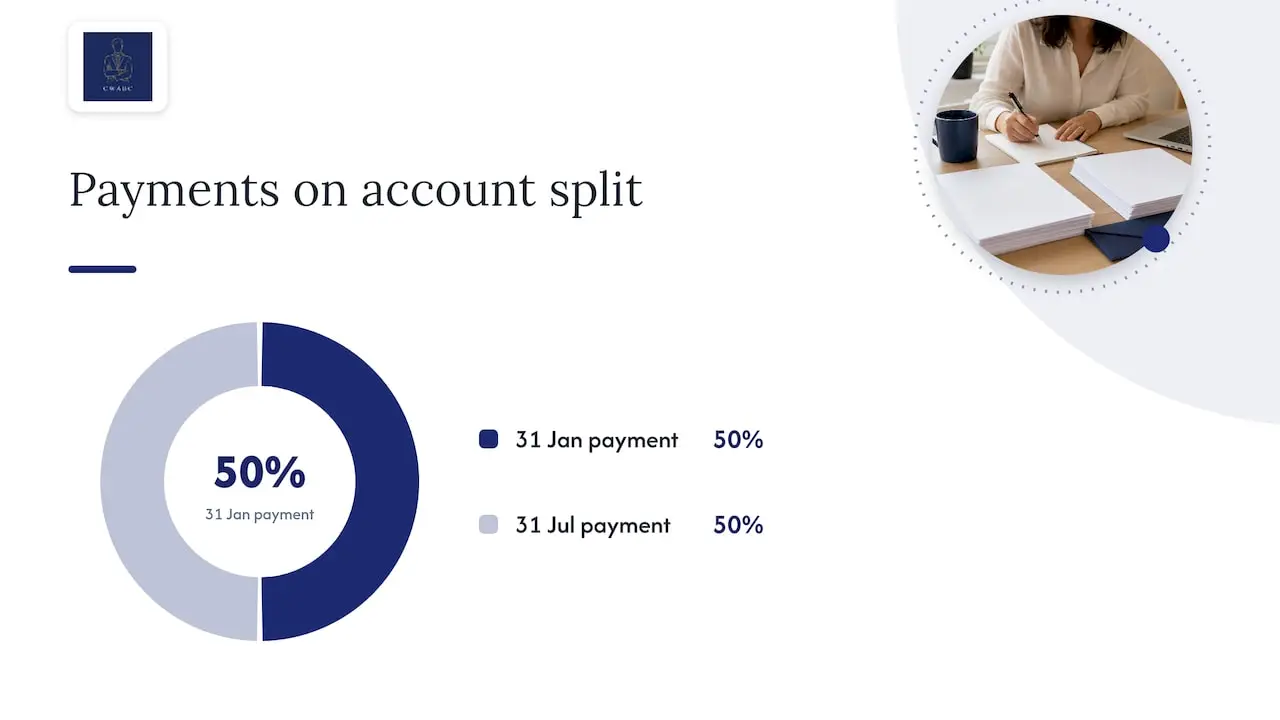
One in two tax bills includes payments on account, and understanding them early avoids a nasty surprise. Payments on account are advance payments towards your next year’s bill, usually due on 31 January and 31 July, each set at half of the previous year’s tax owed. If this is your first Self Assessment return, you probably won’t face them yet, but it’s worth planning for the year after.
If you miss 5 October: penalties, reasonable excuse and immediate actions
Missing 5 October doesn’t automatically mean a penalty, but it does increase the risk. Late notification can trigger a failure to notify penalty linked to any tax that remains unpaid after 31 January 2027, so the financial consequence often only becomes clear once the payment deadline passes.
HMRC will consider a reasonable excuse on the facts of your situation, but there’s no fixed list of what counts. Reasonable excuse claims are assessed case by case, and you generally need to act quickly once whatever prevented you from registering is resolved.
If you’ve already missed the deadline, don’t wait for a letter from HMRC:
- Register now rather than delaying further, since the penalty calculation depends on how unpaid tax and lateness interact.
- Gather your income and expense records so you can calculate an accurate liability as soon as possible.
- Consider making a voluntary payment towards your likely bill to limit interest.
- Contact HMRC directly, or speak to an accountant, if you’re unsure how the penalty rules apply to your situation.
Checklist: records and information to prepare before registering and filing
Good records make registration and filing far less stressful, and they reduce the chance of errors that delay everything.
- Income records: payslips if you also have PAYE income, sales invoices, and bank statements covering the 2025/26 tax year.
- Rental records: rent received, mortgage interest statements, letting agent fees and repair invoices.
- Capital gains documents: purchase and sale contracts, solicitor fees and any valuation reports for shares or property.
- Allowable expenses: receipts for business costs, mileage logs, and home office calculations.
- Pension contributions and Gift Aid: statements showing amounts paid, since these can reduce your tax bill.
- Business dates and your UTR: the exact date you started trading, and your Unique Taxpayer Reference if you’ve registered before.
Pro Tip: Once you’ve gathered your figures, do a rough calculation of the tax you’re likely to owe. Knowing the number early helps you decide whether to start voluntary payments now rather than facing one large bill in January.
For help turning receipts and bank statements into usable figures, see my guide on preparing accounts for a tax return.
Making Tax Digital: brief, practical note for people registering now
Making Tax Digital for Income Tax is a separate obligation from your 2025/26 return, and it’s easy to confuse the two. From 6 April 2026, taxpayers with qualifying income over £50,000 must keep digital records and send quarterly updates to HMRC, followed by a final declaration instead of a traditional return.
Your 2025/26 Self Assessment return still follows the usual 31 October and 31 January deadlines regardless of MTD. But if your income puts you above the threshold, it makes sense to set up digital record keeping now rather than scrambling once quarterly reporting starts. My MTD transition guide for sole traders explains what changes and when.
Practical next steps and how I can help
If 5 October applies to you, here’s a realistic plan for the next one to two weeks: register with HMRC immediately, gather the checklist documents above, and produce a rough estimate of what you’ll owe so you can decide whether a voluntary payment makes sense before January.
I’m an AAT-licensed practitioner based near Tonbridge, and I handle Self Assessment registration, filing and Making Tax Digital setup for sole traders and landlords across Kent and remotely. If you’d rather hand the whole process to someone else, my Self Assessment service covers registration through to submission, so you’re not trying to interpret HMRC guidance under time pressure.
Common mistakes and quick wins with Self Assessment registration
The mistakes I see most often are simple ones: people delay registering because they’re unsure of their exact income, they keep patchy records until the last minute, or they assume logging into an old HMRC account means they’re still active when it needs formal reactivation.
The fixes are just as simple. Register as soon as you know you’ll need to, even with rough numbers. If cashflow worries you, make an early voluntary payment rather than waiting for January. And if you’re unsure whether you need to register at all, ask an accountant early rather than guessing.
— Chris
CWABC Self Assessment services and how to get started
Registering correctly and filing on time takes the guesswork out of an already busy October. I handle the full process for sole traders and landlords, from registering with HMRC through to preparing and submitting your return, and setting up Making Tax Digital records where they apply.

My Self Assessment Tax Returns service includes an initial call to discuss your situation, the documents you’ll need, and a realistic timeline for getting everything filed before 31 January 2027. If you’d rather talk it through first, get in touch through my contact page.
This article is general information, not a substitute for advice from a qualified financial advisor. Consult a qualified financial professional about your own circumstances before acting on anything here.
FAQ
Is 5 October the deadline to register for Self Assessment?
Yes, 5 October 2026 is the deadline to tell HMRC you need to complete a Self Assessment return for the 2025/26 tax year if this applies to you for the first time. If you’re already registered and filed last year, you don’t need to register again.
What happens if I don’t file my tax return by 31 October?
Missing 31 October only matters if you were planning to file a paper return, since the paper deadline falls on that date. You can still file online up to 31 January 2027 without a late filing penalty, as long as it’s your first missed paper deadline for the year.
When can I file my Self Assessment tax return for 2025/26?
You can typically file your 2025/26 return online from April 2026, once the tax year has ended, right through to the 31 January 2027 deadline. Filing earlier gives you more time to budget for any tax owed.
What are the new tax rules for self-employed people from 2026?
The main change is Making Tax Digital for Income Tax, which requires sole traders with qualifying income over £50,000 to keep digital records and send quarterly updates from 6 April 2026. This runs alongside, not instead of, the standard Self Assessment deadlines for 2025/26.
Need help?
If you’re unsure whether you need to register, or you’d rather have someone manage registration and filing for you, visit my contact page to arrange a conversation about your situation.